
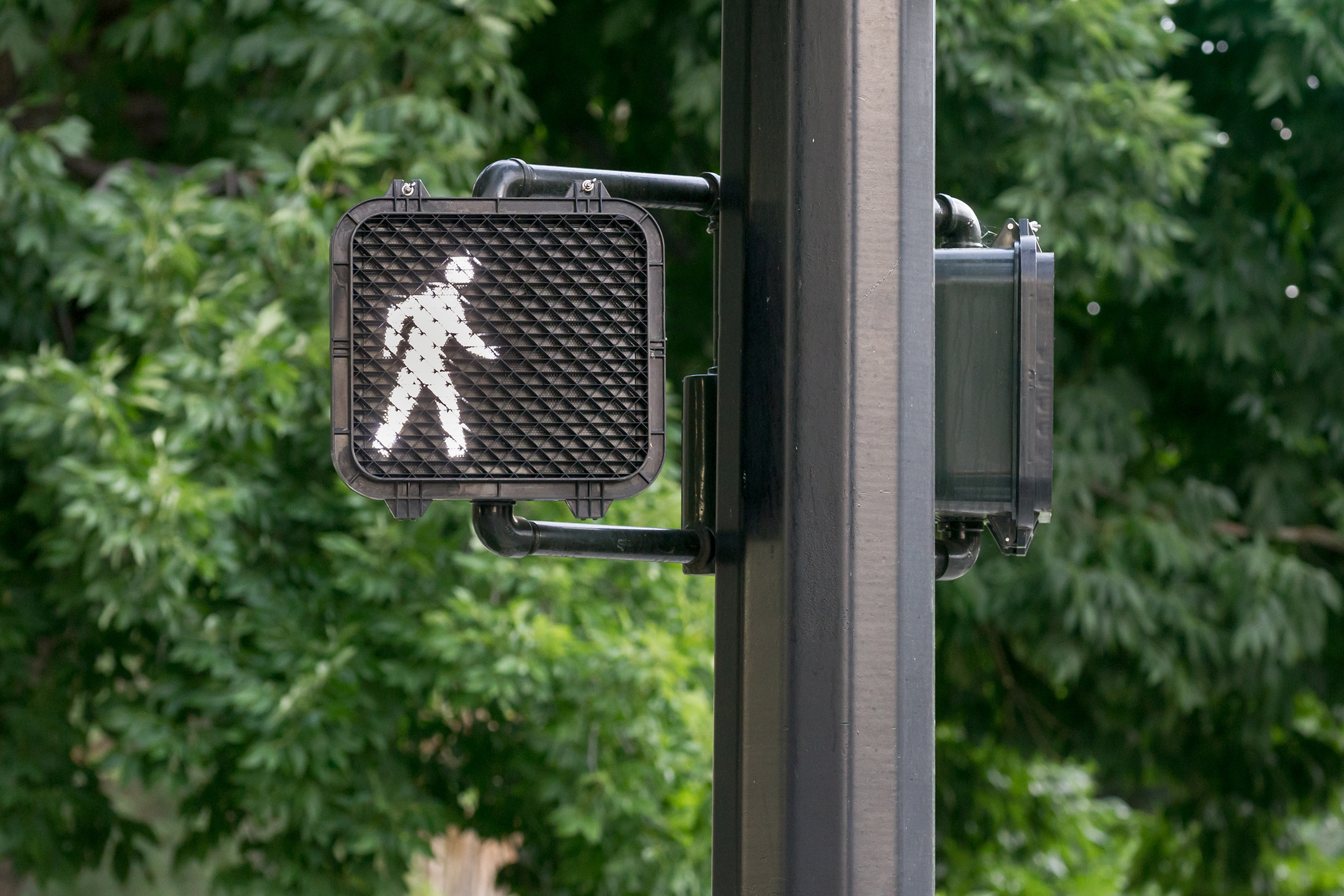
Choosing to walk to a local destination is a fitness-friendly, eco-conscious choice, but when a pedestrian walks in proximity to moving traffic, they are vulnerable to severe injuries. When a driver fails to take reasonable actions behind the wheel, they risk causing catastrophic injuries or death to a pedestrian; however, pedestrians in Washington State also have a legal duty of care in traffic, including the duty to follow Washington State’s pedestrian laws.
Crosswalk Laws in Washington State
Under RCW 46.61.235, pedestrians have the right of way in both marked and unmarked crosswalks in Washington State. Crosswalks exist when a sidewalk ends on one side of a crossroads and picks up again on the other side, regardless of whether it is marked with white paint, signs, or crossing buttons.
Drivers approaching a crosswalk must come to a complete stop as long as the pedestrian is in their half of the lane or within one lane of the vehicle’s lane. Further, drivers may not pass another vehicle stopped at a crosswalk. Failing to follow the state’s crosswalk laws leaves the driver subject to traffic citations and fines, as well as liability in the event of an accident with injuries. Fines are doubled for violations in school zones.
Pedestrians must not step into a crosswalk when a vehicle is too close to have ample stopping distance.
Understanding Critical Pedestrian Traffic Laws In Washington State
Pedestrian safety in Washington and elsewhere depends on both drivers and pedestrians knowing and following the state’s traffic laws, as outlined in RCW 46.61.250. While a pedestrian should always familiarize themselves with any unique local ordinances within their jurisdiction, the following state laws apply to Washington pedestrians statewide:
- Pedestrians must not walk on the roadside in any area where sidewalks are available
- If no sidewalk exists, or the sidewalk isn’t accessible due to construction, the pedestrian must walk on the road’s shoulder as far from traffic as possible
- Pedestrians must walk facing traffic when walking on the road’s shoulder, and move further away from the road when possible when a car approaches
- When walking on a divided highway to find a device for reporting emergencies, one may walk in the same direction as traffic
- Pedestrians must practice due diligence when walking near traffic, including avoiding looking at devices and not stepping out in front of moving traffic without allowing time for vehicles to stop, even in crosswalks where otherwise they would have the right of way
Most pedestrian accidents are caused by driver negligence, such as speeding, distracted driving, and failure to yield the right of way. For this reason, drivers are often liable for the injury victim’s damages. However, if a pedestrian causes a car accident due to their failure to follow Washington’s traffic laws, they may be held financially liable for the car accident victim’s damages under Washington State’s pure comparative negligence laws.

How Can a Washington State Pedestrian Accident Attorney Help?
Proving liability under Washington’s fault-based injury laws can quickly become challenging. Most compensation claims are filed against the at-fault driver’s auto insurance. Unfortunately, insurance companies often dispute the policyholder’s liability or assign undue fault to injury victims. This allows the insurer to reduce the payout on a claim by the percentage of fault they’ve assigned to the pedestrian, protecting the company’s profits at the injury victim’s expense.
Call or contact Wells Trumbull online to speak to a trusted Marysville car accident attorney who is ready to help protect your rights and safeguard your best interests throughout the process of your case.